

Welcome to the wonderful and sometimes puzzling world of toddlerhood! If you’re finding yourself on the receiving end of your little one’s tiny but surprisingly powerful fists, you’re not alone. Toddler hitting behavior can leave parents scratching their heads and wondering, “Why is my toddler hitting me?” It’s essential to remember that these little humans are still discovering how to navigate a world filled with emotions and desires, often without the words to express them.
In this article, we’ll dive into the fascinating world of toddler development, decipher the reasons behind their hitting tendencies, and provide you with some helpful strategies to guide them towards gentler ways of expressing themselves. So, let’s dive into the minds of our curious, rambunctious (and shockingly strong) toddlers!
Why is My Toddler Hitting Me?

Understanding the psychology behind toddler hitting is extremely useful in addressing this behavior. Let’s dive into what’s going on in your little one’s head.
Frustration and Communication
Imagine trying to convey your needs and desires, but you lack the words to do so effectively. This is often the case for toddlers. Hitting can be a way to express their frustration when they can’t communicate their feelings verbally.
Your toddler may want more of that yummy ice cream but doesn’t know how to ask for it politely. The result? A tiny fist may come your way as an expression of frustration.
Testing Boundaries
Toddlers are curious by nature, and they’re learning about their world and their place in it. Part of this process involves testing boundaries, including physical ones. Hitting can be a way for your toddler to understand what they can and cannot do.
Consider the scenario where your little one wants to stay up past their bedtime. When you insist that it’s time to sleep, they might hit you to test if you’ll give in to their wishes.
Emotional Overload
Toddlers experience a whirlwind of emotions, from joy and excitement to frustration and anger. However, they often lack the emotional vocabulary to express themselves properly. When these emotions become overwhelming, hitting may seem like the only way to cope.
Picture your toddler at a crowded amusement park. The noise, the flashing lights, and the unfamiliar faces may lead to an emotional outburst, expressed through hitting.
Imitation of Behavior
Toddlers are like sponges, absorbing everything around them. If they witness someone using hitting as a way to solve problems or express frustration – whether it’s a family member, a friend, or something on TV – they may mimic that behavior.
For instance, if your toddler sees an older sibling hitting a playmate during a disagreement, they might think that’s how conflicts are resolved.
What to Do About Toddler Hitting
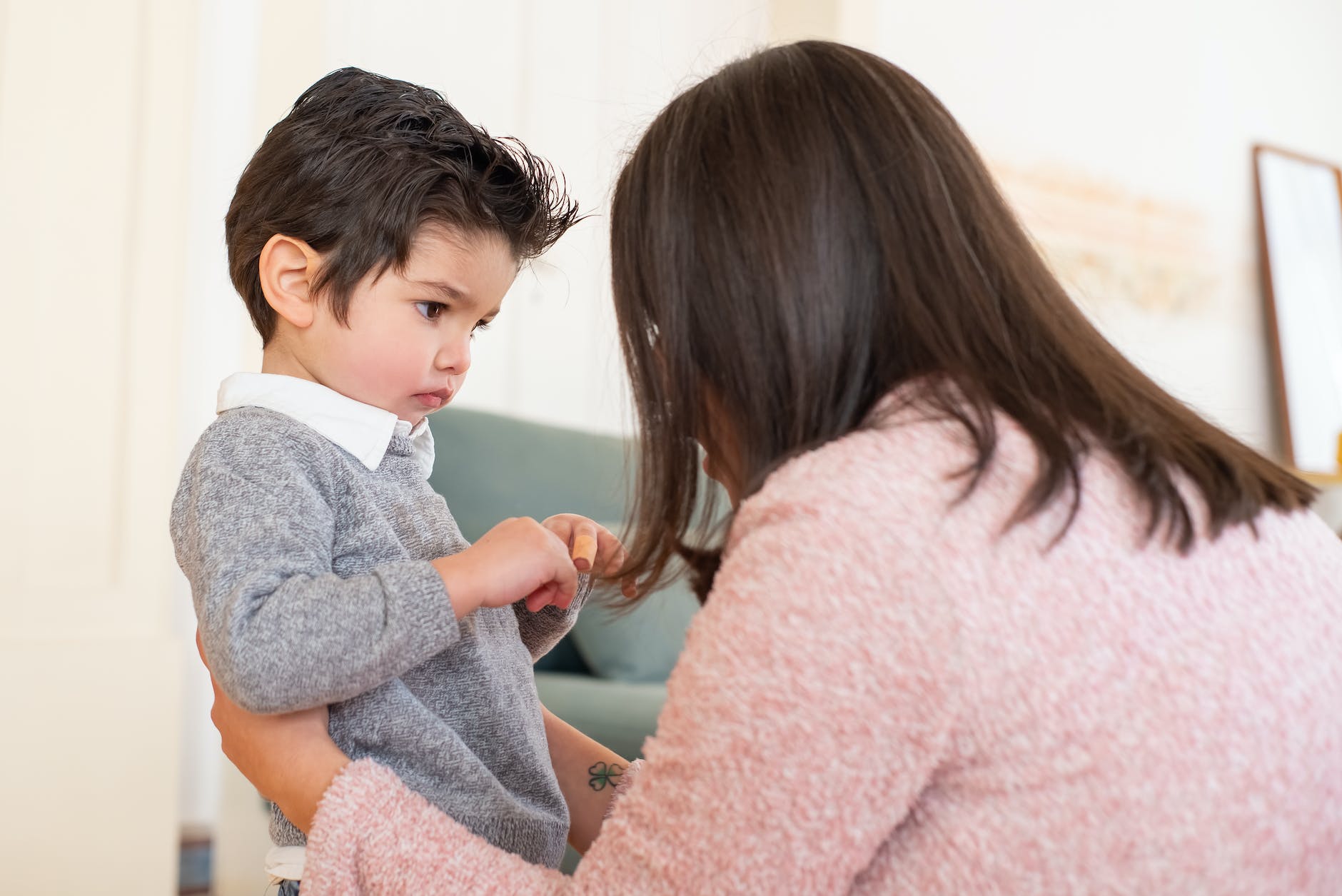
Let’s take a look at some real-world strategies to manage toddler hitting, balancing effectiveness with nurturing care. Get ready to make those tiny fists a little less feisty!
Stay Calm and Model Appropriate Behavior
When your toddler hits you, it’s natural to feel frustrated or upset. However, it’s essential to remain calm and composed. Remember that you are your child’s most influential role model, and they learn from your behavior. Reacting with anger or aggression can reinforce hitting as an acceptable response.
Instead, demonstrate appropriate behavior. Say something like, “We don’t hit. Hitting hurts. If you’re upset, use your words to tell me how you feel.”
Teach Emotional Vocabulary
Help your toddler express their emotions through words. Encourage them to name their feelings and explain why they’re upset. For example, “I see that you’re angry because we have to leave the park. It’s okay to be upset, but we need to leave now.”
By teaching emotional vocabulary, you empower your toddler to communicate their feelings without resorting to hitting.
Set Clear Boundaries and Consequences
Establishing clear boundaries is essential for your toddler’s development. Let them know what behavior is expected and what the consequences will be if those expectations are not met. Consistency is key in reinforcing these boundaries.
For example, you can say, “We don’t hit in our family. If you hit, you’ll have a time-out.” Be sure to follow through with the consequences if necessary.
Offer Alternatives
Provide your toddler with alternatives to hitting. Teach them appropriate ways to deal with frustration or anger. Suggest actions like taking deep breaths, counting to ten, or using a soft toy as a stress ball.
Imagine your toddler is upset because they can’t have a second piece of cake. Instead of hitting, encourage them to express their feelings verbally or use one of these alternatives to cope with their frustration.
Reward Positive Behavior
Positive reinforcement is a powerful tool in shaping your toddler’s behavior. When your child manages their anger or frustration without resorting to hitting, praise and reward them. This positive feedback will encourage them to choose non-violent ways to communicate and cope with their emotions.
For instance, if your toddler manages to share a toy without hitting, offer words of praise like, “Great job sharing nicely! You’re such a big kid!”
Take an Online Class

I’ve personally found that taking online classes that are taught by industry experts can be the best way to learn how to deal with any new parenting dilemma (and there will be a lot of them, every step of the way!). The online Tinyhood parenting class, “Toddler Behavior: Tantrums, Hitting, Power Struggles & More,” has hugely benefited me when it comes to learning about the ins and outs of our tiny toddler terrors. It’s like having a super wise friend by your side to help you through the tricky challenge of dealing with your toddler’s hitting.
The classes are taught by certified experts who’ve been through it all, so you’re getting advice from those who truly understand the parenting journey. What’s cool is that you can watch these classes whenever it suits you – no rush, no pressure. Plus, for a reasonable monthly or yearly fee, you unlock access to all their parenting courses, covering everything from the toddler years to teenhood. It’s a laid-back and flexible way to equip yourself with the tools and know-how to handle those toddler hitting episodes and other behaviors with confidence. I would 100% recommend!
Wrapping Up: Navigating Toddler Hitting with Love and Patience
Dealing with a toddler who hits can be a challenging experience, but by understanding the psychology behind it and employing positive strategies, you can help your child navigate this phase. Remember that every child is unique, and what works for one may not work for another. The key is to be patient, consistent, and show your child the love and support they need as they develop emotionally. With these tools and your unwavering dedication, you’ll not only address the hitting but also foster a nurturing environment for your child to thrive.
If you want to learn more strategies for coping with toddler hitting, including what to do about biting, kicking, throwing, and more, don’t forget to check out Tinyhood’s online library of parenting courses. While I admit that some online purchases can be a huge waste of your time and money, you won’t regret this one!
Frequently Asked Questions About Toddler Hitting
Now, let’s address some common questions parents often have when dealing with toddler hitting.
Is Toddler Hitting Normal?
Yes, toddler hitting is a relatively common behavior. It usually occurs between the ages of 1 and 3 as children are still learning to express themselves and manage their emotions.
When Should I Be Concerned About Toddler Hitting?
While toddler hitting is normal to some extent, it becomes a concern when it’s frequent, intense, or accompanied by other aggressive behaviors. If you feel that your child’s aggression is interfering with their daily life or affecting their relationships, it may be time to seek professional guidance.
How Can I Tell the Difference Between Normal Aggression and Problem Behavior?
Normal toddler aggression is usually occasional and related to frustration or emotional overload. Problem behavior, on the other hand, is characterized by frequency and intensity. It may include physical aggression, verbal threats, or an inability to control impulses. If you’re unsure, consult with a pediatrician or child psychologist for a professional evaluation.
What If My Toddler Hits Other Children?
If your toddler is hitting other children, it’s essential to intervene and teach them appropriate social behavior. Encourage them to use words to express their feelings and explain the consequences of hitting. Be sure to apologize to the other child’s parents and monitor the situation to prevent repeated incidents.
Can I Use Time-Outs to Discourage Hitting?
Time-outs can be an effective consequence for hitting, as long as they are used consistently and appropriately. The purpose of a time-out is to give your toddler a chance to calm down and think about their behavior. Use a designated spot or chair for time-outs, and be sure to explain to your child why they’re in time-out.
Is There a Link Between My Toddler’s Diet and Hitting?
Diet can have an impact on behavior, but there is no direct link between what your toddler eats and hitting. However, excessive sugar or caffeine intake can sometimes lead to heightened energy levels and emotional fluctuations, which may indirectly contribute to aggression. A balanced diet is crucial for overall well-being.
How Can I Teach My Toddler About Empathy and Kindness?
Teaching empathy and kindness is an ongoing process. Encourage your toddler to be aware of others’ feelings by using books, games, and everyday situations as teaching opportunities. Model empathy in your interactions with others and encourage your child to share, take turns, and help those in need.
 The Money Mama